










































































.jpg)
























































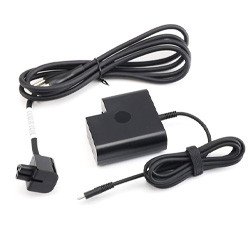
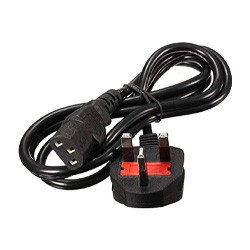










































Lorem ipsum dolor sit amet consectetur adipisicing elit. Minima quam aperiam ullam.
Description:
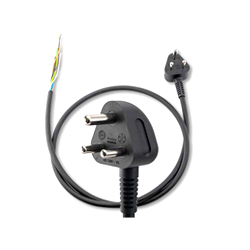
Conductor Material: The conductor is typically made of copper or aluminum, both of which offer excellent electrical conductivity. Copper conductors are preferred for their superior conductivity, while aluminum conductors are often chosen for their lighter weight and lower cost.
Insulation: The conductor is surrounded by one or more layers of insulation material to prevent electrical leakage and ensure safe operation. Common insulation materials include cross-linked polyethylene (XLPE) and ethylene propylene rubber (EPR), which offer excellent electrical properties and resistance to environmental factors such as moisture and heat.
Voltage Rating: Power cable coils are available in various voltage ratings to suit different applications, ranging from low voltage (LV) for residential and commercial installations to high voltage (HV) for industrial and utility-scale applications. The voltage rating determines the maximum voltage that the cable can safely carry without experiencing breakdown or insulation failure.
Jacketing: Some power cable coils may feature an additional outer jacket or sheath layer for mechanical protection and resistance to abrasion, chemicals, and environmental factors such as sunlight and moisture. Common jacketing materials include polyvinyl chloride (PVC) and high-density polyethylene (HDPE).


