

















































































































































.jpg)










































































































































































































































.jpg)


Lorem ipsum dolor sit amet consectetur adipisicing elit. Minima quam aperiam ullam.
Key Aspects of Mechanical Gear Transmission Shaft Forging Processing:
1. Material Selection:
- Steel Alloys: Most commonly, carbon steel, alloy steel (e.g., 4140, 4340), and stainless steel alloys are used because they offer excellent toughness, wear resistance, and fatigue strength.
- Custom Materials: Depending on the requirements (such as strength, corrosion resistance), materials can be customized to suit different industrial needs.
2. Forging Process:
- Hot Forging: Involves heating the material to a high temperature and then shaping it under pressure. This increases the malleability of the material and allows it to be shaped into complex forms. Hot forging improves the mechanical properties of the material, such as tensile strength, fatigue resistance, and hardness.
- Precision Forging: Ensures that the shaft has accurate dimensions and tolerances, reducing the need for post-forging machining and minimizing material waste.
- Cold Forging: Sometimes used for smaller shafts or components, cold forging improves surface finish and dimensional accuracy.
3. Shaft Design:
- Shape: The shaft is designed with specific features such as splines, grooves, and keyways to ensure compatibility with other parts in the gear system.
- Torque Transfer: Shafts must be designed to effectively transmit torque between gears, ensuring smooth operation and durability.
4. Post-Forging Processes:
- Heat Treatment: This process is often employed to harden the shaft or improve its mechanical properties. Common heat treatments include quenching, tempering, and annealing.
- Machining: After forging, additional machining is performed to refine the shaft's surface, dimensions, and features like teeth, splines, or grooves. This process enhances the shaft’s precision and performance.
- Surface Finishing: Surface treatments such as grinding, polishing, and coating are used to improve wear resistance and reduce friction, extending the lifespan of the shaft.
5. Applications:
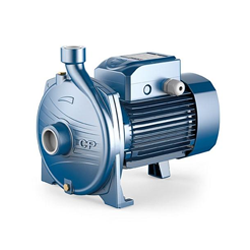
- Industrial Machinery: Used in machines that require high-strength shafts to drive motors, pumps, and other heavy equipment.
- Automotive: In gearboxes, differential shafts, and drive shafts.
- Aerospace: For shafts used in aircraft engines, turbines, and other mechanical systems requiring precise torque transfer.
- Marine: In the propellers and transmissions of ships and submarines.
- Energy: In power generation systems like turbines, compressors, and motors.
6. Advantages of Forging:
- Increased Strength: The forging process creates a uniform grain structure, improving the shaft’s resistance to fatigue and failure under high stress.
- Durability: Forged shafts are more durable and capable of withstanding harsh operating conditions.
- Cost-Effectiveness: While the forging process requires investment, it minimizes material waste and reduces the need for extensive machining, making it cost-efficient in the long run.
- Dimensional Accuracy: Forging allows for the production of shafts with tight tolerances, reducing the need for rework.
Specifications Summary:
| Feature | Description |
|---|---|
| Material | Carbon Steel, Alloy Steel, Stainless Steel |
| Forging Process | Hot Forging, Precision Forging, Cold Forging |
| Design Features | Splines, Keyways, Grooves, Teeth |
| Hardness | Typically 40-50 HRC (depending on material and process) |
| Surface Finish | Polished, Ground, Hardened |
| Application | Automotive, Heavy Machinery, Aerospace, Marine, Energy |
| Customization | Size, Length, Material, Machining Features |
| Strength | High Tensile Strength, Fatigue Resistance, Impact Resistance |
Customization Options:
- Dimensions: Custom shaft sizes and lengths to meet specific application requirements.
- Materials: Custom steel alloys based on strength, corrosion resistance, and fatigue performance.
- Post-Forging Treatments: Tailored heat treatments and surface coatings to suit specific operating conditions.
Contact for Purchase and Pricing:
For pricing, detailed specifications, and custom orders, please contact: Phone: +8801792223444


